

Fiberglass vs Concrete Swimming Pools in India: Which Should You Choose?
If you’re planning a pool for a villa, rooftop, resort or housing society, the first big decision is the shell: fiberglass or concrete (gunite / RCC). Both can look beautiful. They differ a lot in build time, maintenance and where they can go.
At a glance
| Factor | Fiberglass pool | Concrete pool |
|---|---|---|
| Build time | Weeks. The shell is made in a factory while the site is prepared | Typically several months on site |
| Weight | Much lighter, which suits rooftops and terraces | Very heavy, needs major structural design |
| Surface | Smooth, non-porous gel coat that resists algae | Porous plaster or tiles that need more brushing and chemicals |
| Leak risk | Single seamless shell | Cracks and waterproofing failures are common over time |
| Design freedom | Many shapes. Custom moulds possible | Unlimited shapes and sizes |
| Very large pools | Limited by transport size, though modular options exist | No size limit |
| Maintenance | Lower chemical use and less cleaning | Higher, with periodic re-plastering or re-grouting |
Why fiberglass suits most Indian homes and rooftops
Speed. Because the shell is moulded in a factory, site work is short and less disruptive. That matters in apartments and gated communities. At Falcons Fiber, standard pools are delivered in 4 to 6 weeks, and installation is typically completed about two weeks later.
Rooftops. A fiberglass shell weighs a fraction of an RCC pool, which makes rooftop and terrace pools far more practical. A structural engineer must still approve the slab for the weight of the water.
Monsoon and humidity. A seamless gel-coat surface doesn’t absorb water or crack the way plaster can, which reduces leaks and algae growth in humid climates.
When concrete makes more sense
Choose concrete for very large commercial or competition pools, unusual free-form shapes that no mould can match, or sites where a large shell cannot be delivered.
Features you can add to a fiberglass pool
- Walk-in steps, seating ledges and sun shelves
- In-pool and deck LED lighting
- Hand-tiled mosaic finishes and your choice of coping
- Heating and temperature control
- Salt chlorination or non-chlorine oxidation systems
- Infinity edges for rooftops and hill views
Planning a pool? Explore Falcons fiberglass swimming pools or tell us about your site for a design consultation and quote.

Quick links
Blogs
-
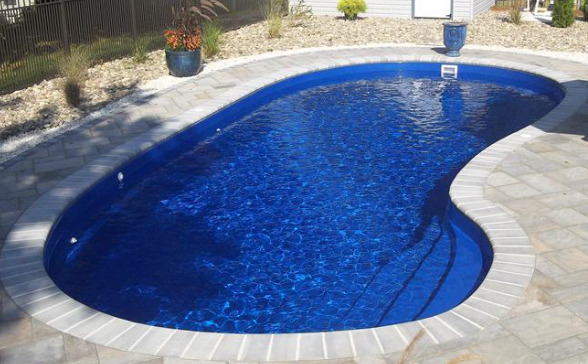
 Fiberglass vs Concrete Swimming Pools in India: Which Should You Choose?20 Nov 2026
-

 FRP Manhole Covers: Load Classes, Benefits and Buying Guide20 Nov 2026
-
 FRP Grating vs Steel Grating: Which Is Better for Industrial Flooring?20 Nov 2026
-

 How to Choose FRP Doors19 Dec 2024
-
 Top 10 Myths About Fiberglass Products Debunked26 Nov 2024